
Trends
What's actually showing up in the data behind rising household debt — grocery and utility costs, credit card delinquency, and the other pressures driving the situations and debt types covered elsewhere on this site. Sourced to government price and credit data, updated as new releases land. For the predictable, recurring dates behind this data — tax deadlines, means-test updates, quarterly data releases — see the deadlines calendar.
- Canada's Retaliatory Tariff List, Explained
Canada announced dollar-for-dollar counter-tariffs on 700+ U.S. tariff lines on August 25, 2026 — 15%, 25%, and 50% duties on C$27.6 billion of U.S. goods, effective September 8, plus a C$7.5 billion support package.
- U.S.-Canada Trade War Timeline: Every Key Date Since 2025
A dated, sourced timeline of every major U.S.-Canada tariff action, pause, and escalation from February 2025 through Canada's August 25, 2026 counter-tariff announcement.
- "Motor Vehicles Tariff" Doesn't Mean Car Prices — Here's What It Actually Taxes
The new 50% tariff on Canadian goods is officially the "Motor Vehicles" proclamation, but its 439 tariff lines mostly cover lumber, furniture, electronics, and apparel, not auto loans or car prices.
- What the U.S.-Canada Trade War Means for Your Debt and Housing Costs
Trade talks collapsed August 21, 2026, triggering 50% U.S. tariffs and, four days later, Canada's own dollar-for-dollar counter-tariffs — what's confirmed on both sides and what it means for mortgage and household costs.
- Canadian Lumber Tariffs and Your Mortgage or Renovation Costs
Canada supplies most of the softwood lumber used in U.S. home construction — what new and existing tariffs add to new-home prices and renovation budgets, sourced to NAHB and UBS estimates.
 The State of Household Debt in America, 2026
Credit card, auto loan, medical, and grocery-linked debt data in one place — record or near-record delinquency across multiple measures, each figure sourced to its primary release. Updated with each quarterly data release.
 The 30-Year Treasury Just Broke a 40-Year Downtrend — Here's What That Means for Your Rate
The 30-year Treasury yield traded near 5.1%-5.2% in late July 2026, breaking above a declining trendline that had held since the early 1980s — what it means for mortgage, HELOC, and refinancing rates.
 Why Your Grocery Bill Is Landing on Your Credit Card
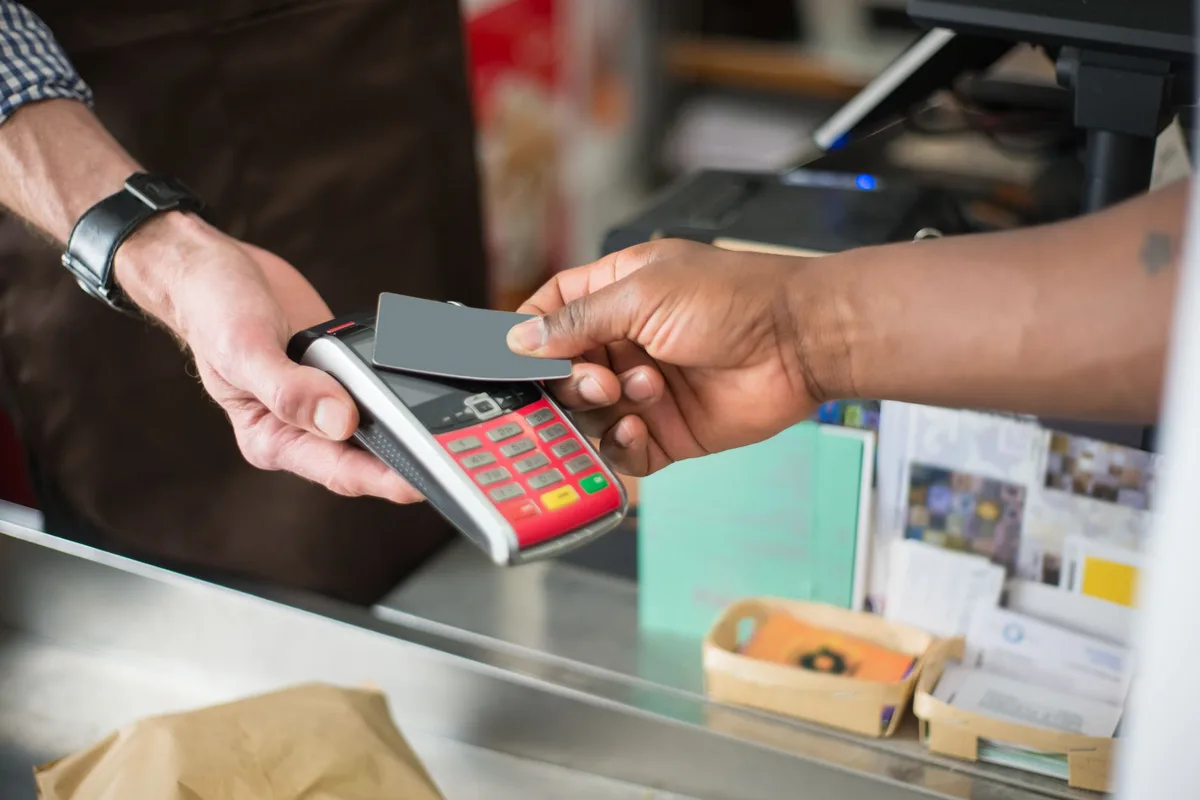
A rising share of cardholders name groceries and other day-to-day expenses as the reason for their debt — what the price data and the credit data actually show.
 When SNAP Doesn't Cover the Gap, Groceries Go on the Credit Card
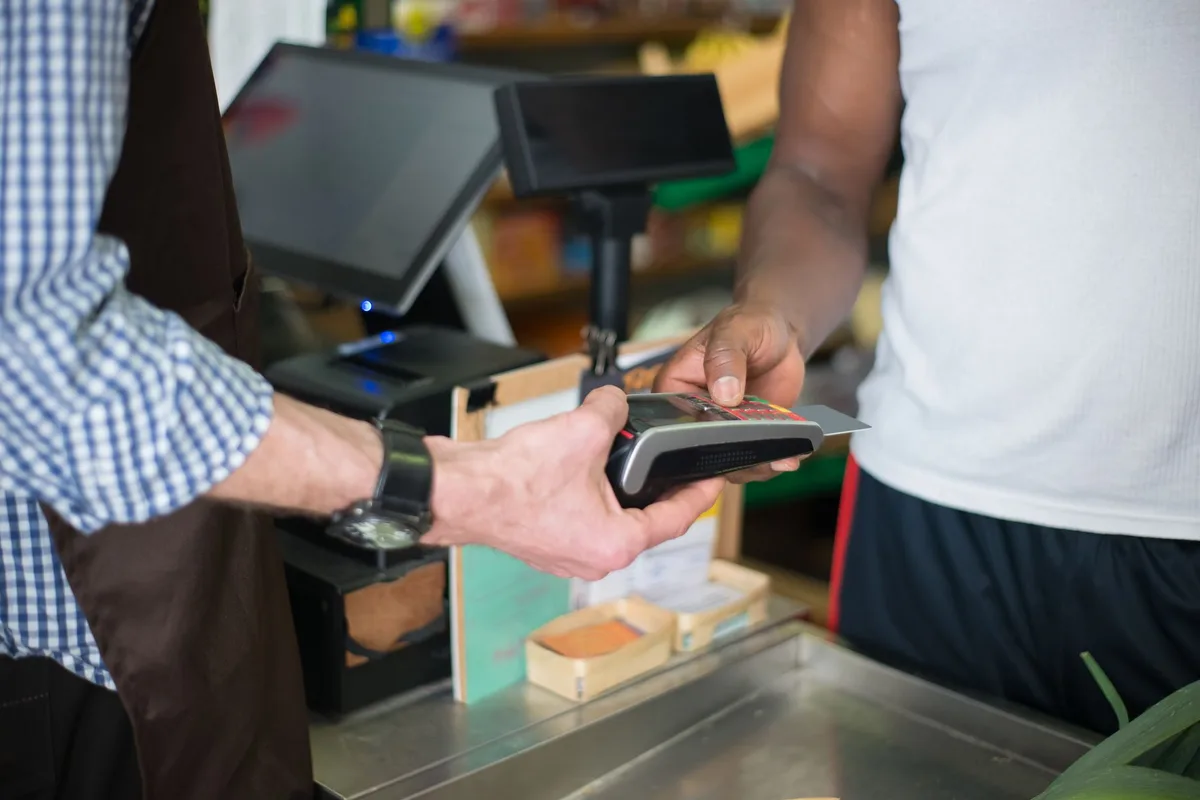
SNAP already fell short of grocery costs in most counties, and millions lost the program entirely in the past year — what government survey data shows about who's covering that gap with credit.
 Why Tariffs Haven't Hit Your Credit Card Bill Yet
Tariffs are a real, measured household cost and trade data shows a genuine import shift — but the latest price data doesn't (yet) show it driving record credit card delinquency.
 Auto Loan Delinquency Just Hit an All-Time High — and It's Not About Job Losses
90+ day auto loan delinquency reached 5.6% in Q1 2026, the highest the New York Fed has ever recorded — surpassing even the 2008 financial crisis peak, despite unemployment staying near normal levels.
 Layoff Announcements Are Down in 2026 — But AI Is Now Behind Nearly 1 in 4 of Them
Total announced job cuts fell 40% in the first half of 2026 versus 2025, and unemployment sits at a one-year low — but AI is cited in a fast-rising share of the cuts that are still happening.
 ACA Premiums Just Rose 114% for Subsidized Enrollees — Here's Where That Debt Shows Up
The average subsidized ACA marketplace enrollee's premium payment jumped from $888 to $1,904 in 2026 now that enhanced tax credits have expired, and enrollment is already down by over a million people.
 Doom Spending by the Numbers
"Doom spending" shows up across two independently fielded surveys 15 months apart, on top of credit card balances that just hit a new high — what the actual survey data says, and where it doesn't agree.